
 Facebook
 X
X
 Pinterest
 Copy Link
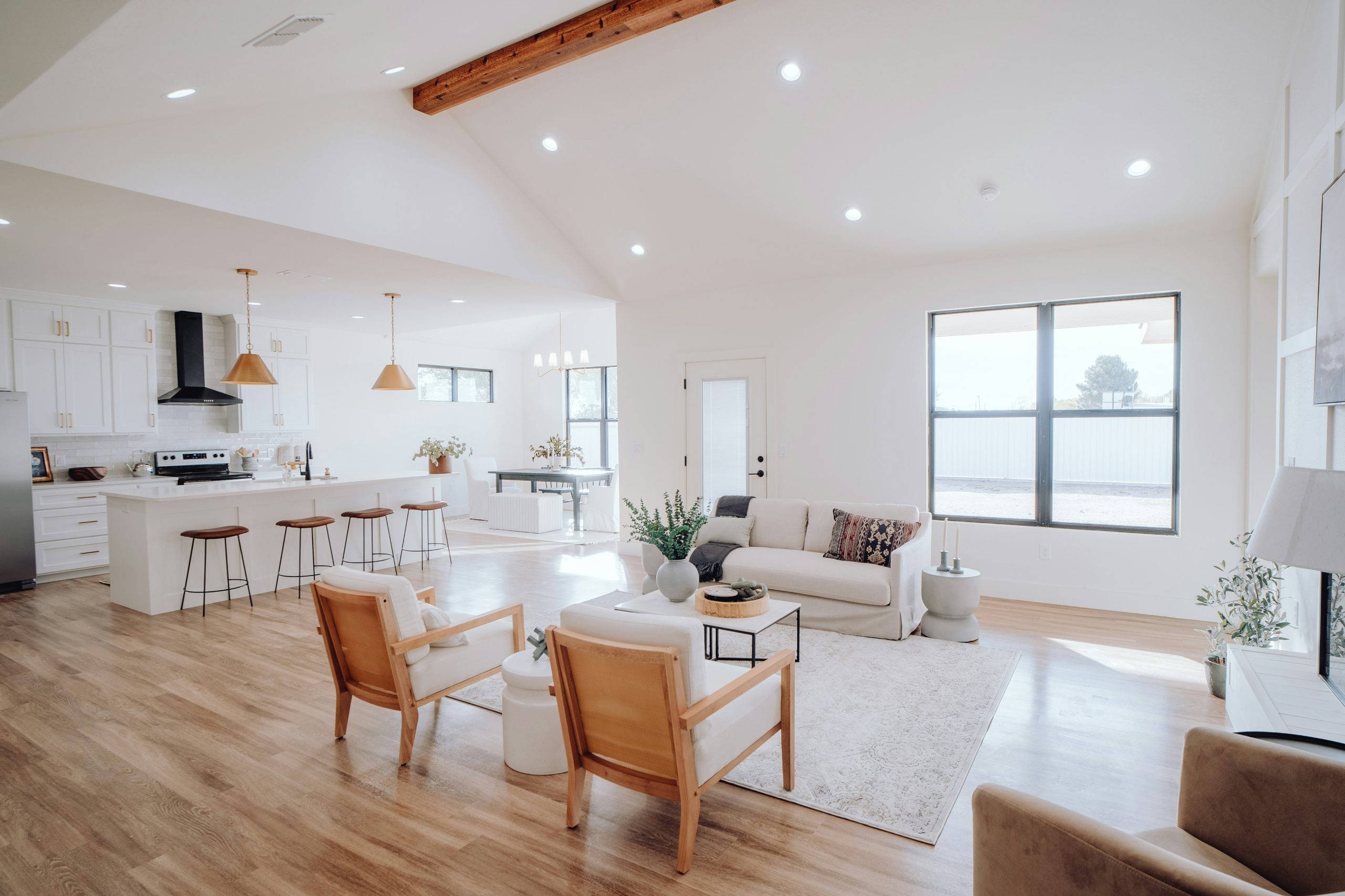
I often talk to sellers who have either done too much, too little, or the wrong things entirely before hitting the market. It’s hard to know what to fix before selling your home. The goal of this post is simple: give you a clear-eyed, honest breakdown of what moves the needle, what doesn’t, and what can actually backfire. Whether you are in Palos Verdes, Redondo Beach, Torrance, or anywhere across the country, this guide applies — with a few notes on where geography matters.
Start here: the mindset shift
The first thing to understand is that you are no longer preparing your home for yourself — you are preparing it for buyers. That sounds obvious, but it’s harder than it seems. The things that matter to you (your renovation choices, your taste, your sentimental attachments) are largely irrelevant to what drives an offer.
The second thing: buyers today are savvy. They have seen hundreds of listings online before they ever walk in your door. First impressions, both in photos and in person, drive decisions faster than most sellers expect. You have seconds, not minutes.
“You’re not decorating. You’re marketing.”
What to fix before selling your home
These are the improvements with the highest return on investment — things that either help buyers say “yes” faster, justify asking price, or prevent deals from falling apart later.
The highest ROI of anything on this list. A professionally cleaned home photographs better, shows better, and signals to buyers that the home has been cared for. This includes windows, baseboards, grout, appliances, and every closet.
A fresh coat of paint in warm whites or soft beiges makes rooms feel larger and newer. It is one of the few updates that is cheap, fast, and universally appealing. Bold accent walls and dated colors should go.
Remove personal photos, excess furniture, and anything that crowds a room. Buyers need to mentally move in. Oversized furniture and personal collections make rooms feel smaller and distracting.
Mow, trim, mulch, pressure wash the driveway, and paint the front door if it needs it. In South Bay, buyers drive neighborhoods before scheduling showings — and curb appeal is the first filter.
Leaky faucets, broken hardware, cracked outlets, sticky doors, torn screens — these small things signal neglect. Fix them before listing, not in the inspection response.
Even a two-hour consultation with a stager can transform how your home photographs and shows. Staged homes sell faster and for more, the data backs this up consistently. In competitive markets, it is not optional.

Region matters: where you live changes the math
Not every upgrade makes equal sense in every market. Here’s where geography shifts the calculus:
| UPGRADE | SOUTH BAY / SOCAL | COLD/SEASONAL MARKETS | NATIONAL AVERAGE |
|---|---|---|---|
| Outdoor living spaces | High ROI – Year-round use means buyers pay for it | Lower ROI – Seasonal use limits perceived value | Moderate |
| Pool condition | Essential – Buyers expect it, and it must be clean and functional | Liability – Pools can actually deter buyers in colder climates | Market-dependent |
| HVAC upgrades | Moderate – Central AC matters but less than in humid climates | High priority – Furnaces and heating systems are deal-breakers | High |
| Drought-tolerant landscaping | Relevant – Buyers appreciate low water bills; HOA rules may also apply | Neutral – Less of a selling point elsewhere | Growing relevance |
| Basement finishing | Rarely applicable – Most South Bay homes don’t have them | High ROI – Major living space in the Midwest and Northeast | Regional |
| Seismic / earthquake retrofitting | Disclosure-relevant – Buyers will ask; proactive upgrades reduce fear | Irrelevant – Non-issue in most of the country | SoCal-specific |
The money wasters — what NOT to do
This is where sellers lose the most money. These are updates that feel significant but rarely, if ever, return their full cost at the closing table.
Unless your kitchen is truly outdated to the point of being a dealbreaker, a full renovation rarely pays back. Buyers have their own taste; your new countertops may not match their vision. Clean, functional, and fresh beats brand new every time.
Buyers often pull carpet anyway, especially if there are hardwood floors underneath. Steam clean what you have. If it is truly beyond saving, a flooring allowance in negotiations is cleaner than assuming buyers will love your choice.
Barn doors, bold tile choices, niche fixtures — these are personal. What excites you can put off buyers who don’t share the same aesthetic. Stick to broad appeal.
You cannot out-renovate your neighborhood ceiling. If comparable homes are selling at $900K, a $150K renovation will not push you to $1.1M. The market sets the ceiling, not the upgrades.
Major construction right before a listing is almost never a good idea. You will not recoup the cost, permits add complexity, and you will likely be rushing. If you are considering this, talk to your agent first — the math rarely works.
In California specifically, this comes up a lot. Owned solar is a selling point, but installing it right before listing adds cost and complexity. Leased solar needs to be disclosed and can complicate financing. Existing solar? Market it — do not hide it.
The pre-inspection: your most underused tool
Here’s something I tell every seller I work with: get a pre-inspection before you list. This is one of the most powerful things you can do, and most sellers skip it because they are nervous about what it might uncover.
That is exactly backwards. A pre-inspection lets you control the narrative. You find out what is there, you decide what to fix, and you enter negotiations from a position of strength rather than reacting to a buyer’s inspector in the middle of escrow when your leverage is at its lowest.
I’ll be doing a deep dive on the seller pre-inspection — what it covers, how to use it strategically, what to fix vs. disclose, and why it can be the difference between a clean close and a deal that falls apart on contingencies. Stay tuned.
A practical checklist before you call your agent
If you are starting to think about listing in the next 3–6 months, here’s where to begin:
Walk every room with fresh eyes — or better yet, have a trusted friend do it. Look at what buyers will see, not what you’ve stopped seeing. Make a list of anything that looks dated, broken, or dirty. Then sort that list into three columns: fix it, price for it, or disclose it. That framework alone will save you from spending money in the wrong places.
Then call your agent before you spend a dollar (or… call me!!). A good listing agent, one who knows your specific neighborhood and price point, can tell you which of those items will actually affect buyer behavior and which ones you can let go. That conversation is free. The unnecessary renovations are not.
