
 Facebook
 X
X
 Pinterest
 Copy Link
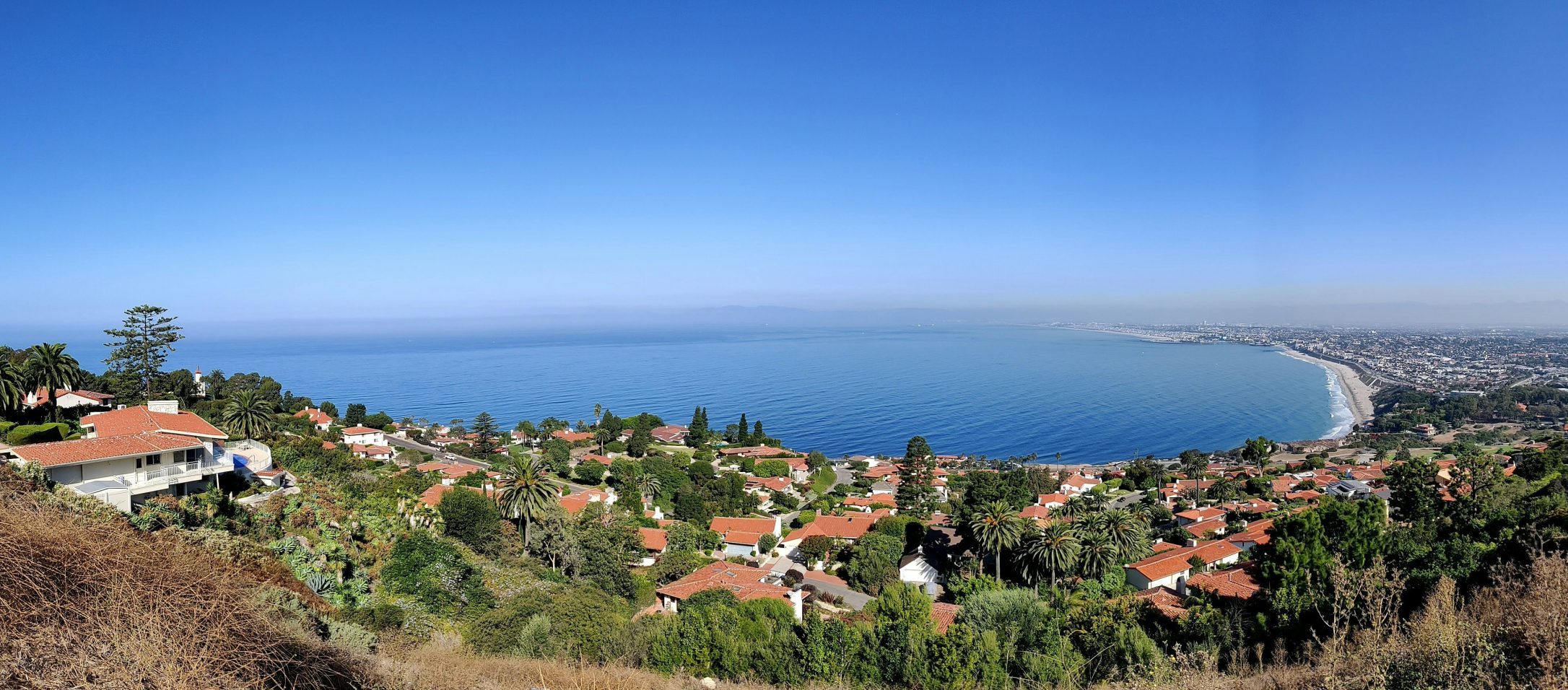
When Off-Market Is Actually on Target
Every now and then, the perfect home isn’t sitting pretty with a fresh MLS number and a weekend open house packed with cookies and curiosity. Sometimes, it’s hiding in plain sight – expired, withdrawn, or sitting on hold like it’s waiting for someone to notice.
That was the case in my most recent transaction.
My buyer had been searching for the one. We toured. We refreshed. We strategized. And then we did something I always encourage when the obvious paths aren’t delivering: we looked where others had stopped looking.
We combed through expired and on-hold listings. And there it was. A home that had slipped through the cracks, not because it wasn’t wonderful, but because timing, presentation, or momentum had fizzled out. A quick outreach later, and we were in motion.
Sometimes real estate isn’t about waiting for inventory. It’s about creating opportunity.
The Plot Twist No One Ordered
The transaction moved along smoothly. We did our due diligence, negotiated thoughtfully, and eventually released all contingencies.
And then… surprise! We learned about a compliance issue tied to the Palos Verdes Homes Association (PVHA).
For those unfamiliar, PVHA oversees architectural guidelines and property compliance within certain Palos Verdes communities. If you plan to pull permits, make improvements, or eventually resell, their compliance status matters.
Here’s where it gets complicated. I’ve come to understand that some agents advise their sellers not to request the PVHA Completion and Compliance Inspection Report because it can potentially uncover unresolved items. The logic is that since the report is not required upfront, avoiding it keeps the transaction “clean.”
But in reality, avoiding information does not eliminate risk. It just delays it.
In our situation, the sellers were aware that the Palos Verdes Homes Association (PVHA) compliance report existed and that it related to their property. They discovered its relevance previously when pulling permits for improvements soon after they had purchased the property.
What was surprising was the timing of the disclosure. The report surfaced only after all contingencies had been released, a moment in the transaction when buyers are significantly more committed and have fewer contractual safeguards in place. While I cannot speak to the specific advice the sellers may have received, it did raise a broader concern about how and when certain disclosures are encouraged to be shared.
And this is where I’ll stay diplomatic but honest.
Strategically delaying relevant information may sometimes be viewed as a negotiation tactic. But in my view, transparency early in a transaction protects everyone. It allows buyers to evaluate the full picture, sellers to move forward confidently, and both sides to avoid unnecessary friction late in the process.
In this case, the sellers ultimately chose to guarantee they would remedy the compliance issue. No debate. No deflection. Just a simple, principled stance: it’s the right thing to do. That decision speaks volumes about their character and integrity.
In an industry that can sometimes lean heavily on what is technically required, it was refreshing to see people prioritize what is ethically right.
Why This Is Bigger Than One Transaction
Yes, the PVHA Completion and Compliance Inspection Report may be considered “optional” in some conversations. However, optional does not mean irrelevant.
If a compliance issue can impact permitting, renovations, resale value, or future marketability, it absolutely deserves attention, especially in a Palos Verdes transaction where association oversight plays a meaningful role.
Treating disclosures like boxes to check instead of tools for transparency undermines the very foundation of trust in real estate.
My role isn’t just to negotiate terms. It’s to protect clarity.
Moving Forward with Intention
This experience reinforced something I care deeply about: awareness.
If you are buying or selling in a PVHA-governed community, request the compliance report. Review it early. Address issues proactively. Do not assume that “optional” means inconsequential.
Thinking outside the box helped my buyer to find the right home. Thinking ahead helped to protect that investment.
Real estate is about strategy, yes. But it’s also about stewardship.
And I intend to keep advocating for both.
