
 Facebook
 X
X
 Pinterest
 Copy Link
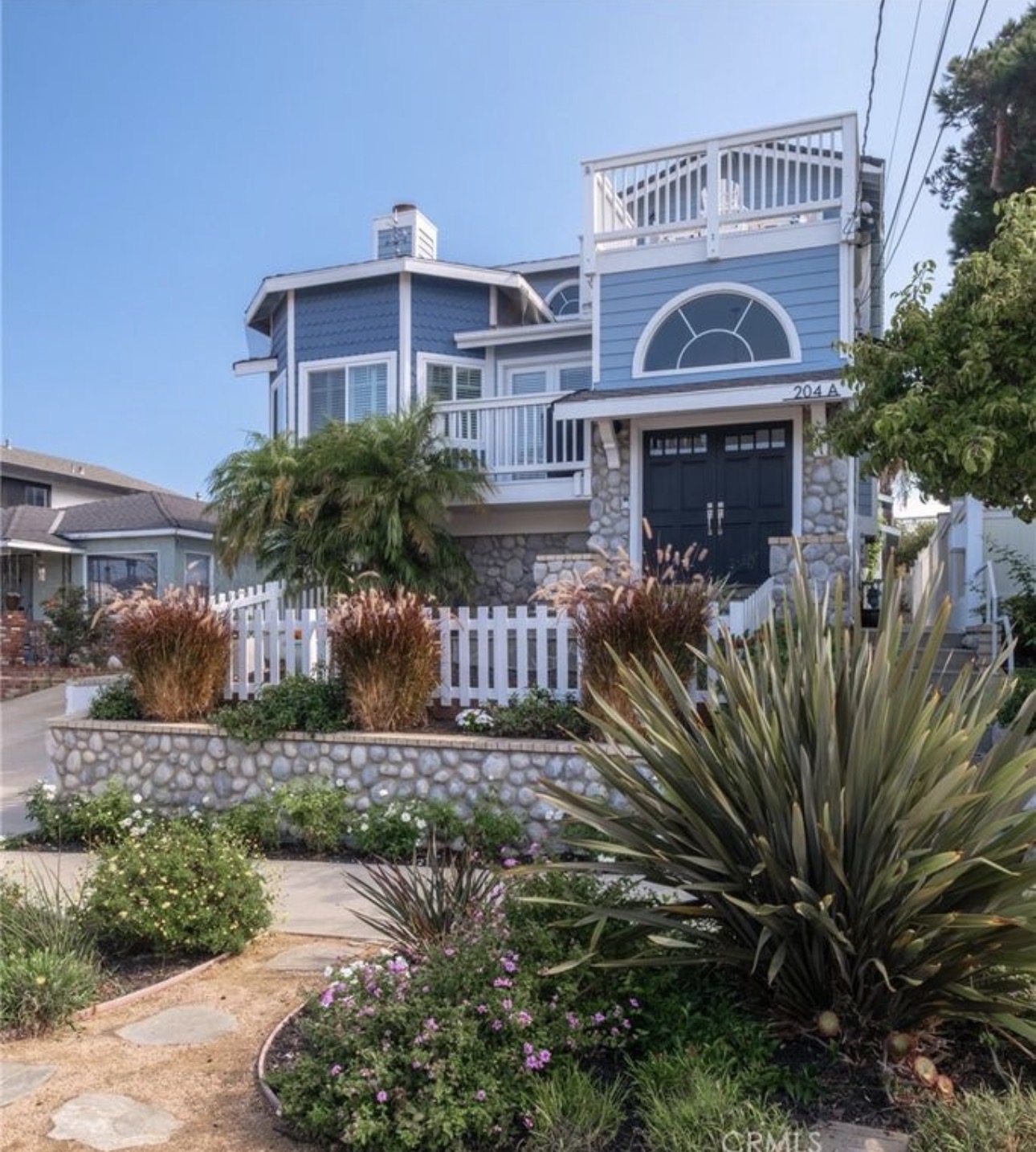
Listed at $1,750,000. Closed at $1,675,000. Outcompeted a higher offer. Here is exactly how and what every buyer and seller should take away from it.
The Setup
There is a version of this story that sounds simple: buyer finds home, buyer makes offer, buyer gets home. But that is not what happened here — and the gap between that version and the real one is exactly what’s worth understanding.
The buyer was purchasing a home in Redondo Beach. The home was listed at $1,750,000. We were not the highest offer. We still won, and we closed at $1,675,000.
Here’s what actually happened, and more importantly — why it worked.
Lesson 1: Sellers Don’t Always Want the Most Money — They Want the Least Risk
This is the single most underestimated concept in residential real estate, and it costs buyers deals every week.
Before structuring an offer, I spend time thinking and inquiring about the seller’s situation, not just their asking price. What do they actually need? What would make this transaction feel safe and manageable to them? In many cases, those answers aren’t about dollars. They’re about time, certainty, and logistics.
In this transaction, I identified three things the sellers needed:
- Speed. A fast close means less time carrying costs, less uncertainty, and a faster path to their next chapter. And this was obvious, since this was the second time the sellers had listed their property.
- Confidence. A clean file with a short loan contingency signals a prepared buyer with solid financing — less chance the deal falls apart at the finish line.
- Breathing room. The sellers needed time to vacate after closing. A rent-back agreement allowed them to stay in the home for two months post-close — something the competing offer did not offer.
So our offer was structured around all three:
✅ 21-day escrow
✅ 14-day loan contingency
✅ 2-month seller rent-back
The other offer had a higher purchase price. Ours solved problems. Ours won.
Lesson 2: What Is a Seller Rent-Back — and When Should You Offer One?
A seller rent-back (also called a leaseback) is an agreement where the buyer purchases the property but allows the seller to continue living in the home for a set period after closing — typically in exchange for a daily rental rate. This was a term offered in my previous transaction as well.
In California, rent-backs are capped at 60 days for buyers financing with a conventional loan (lenders require owner-occupancy intent, and a longer rent-back could conflict with that). In our case, the full 60-day period was used, giving the sellers two months to organize their move without pressure.
When does a rent-back make sense to offer?
- When the seller is also buying a home and needs time for their own escrow to close
- When the seller has children in school and needs to avoid mid-year disruption
- When the seller is relocating and needs time to coordinate logistics
- When you want to differentiate your offer without simply going higher on price
The key is knowing when to deploy this tool — and making sure the terms are clearly documented in the purchase agreement to protect both parties.
Lesson 3: The Loan Contingency Is a Signal, Not Just a Safety Net
In a competitive market, there is often pressure to waive the loan contingency entirely to make an offer look stronger. I understand the instinct, but I want buyers to understand what they are actually giving up when they do that.
The loan contingency protects the buyer’s deposit if financing falls through. Waiving it means that if the lender does not fund the loan for any reason — an appraisal issue, an underwriting condition, a documentation problem — the buyer risks losing their earnest money deposit.
Instead of waiving it, we shortened it to 14 days. This communicated confidence and preparation; the buyer was fully underwritten, our lender was ready, and we had backup financing in place. We kept the protection without signaling weakness.
Pro tip: A short contingency period backed by a strong lender is almost always more compelling to a seller than a waived contingency from an unknown buyer. Get fully underwritten before you write offers with shortened contingency — not just pre-approved.
Lesson 4: CC&R Issues in Condo Purchases Are More Common Than You Think
Here’s where this transaction got complicated — and where having the right team made all the difference.
CC&Rs — Covenants, Conditions, and Restrictions — are the governing documents for condominiums and planned developments. They define what owners can and cannot do with the property, and they also determine how the HOA operates financially and structurally.
When a buyer is financing a condo purchase, the lender doesn’t just underwrite the buyer — they also underwrite the building. Fannie Mae and Freddie Mac have specific requirements around condo project eligibility, including things like:
- Owner-occupancy ratios within the complex
- HOA delinquency rates
- Adequacy of the HOA reserve fund
- Pending litigation involving the HOA
- Specific language in the CC&Rs that may conflict with agency guidelines
In this transaction, the underwriter flagged a specific issue within the CC&Rs that required careful review and documentation before the loan could be approved. This is the kind of problem that can quietly derail a transaction if the right professionals aren’t at the table.
Our insurance broker, JP Hayes, dug into the CC&Rs and worked directly with the lender’s underwriting team to resolve the issue. Our lender Diana Gunderson managed the process flawlessly, keeping the file on track and the timeline intact. And Anastasia Bonholtzer (our backup lender) stayed fully engaged throughout, ready to step in if needed. That kind of redundancy in your team isn’t wasteful. It’s risk management.
If you’re buying a condo (even if two-on-a-lot, standalone townhomes, with no active HOA – which was the case here), ask your agent and lender early: Has the project been reviewed? Are there any known CC&R issues? Has this building had loans approved through it recently? These questions can save you weeks of stress later.
Lesson 5: Your Transaction Is Only as Strong as Your Team
Real estate transactions do not close because of one person. They close because of a coordinated team of professionals who each own their piece of the puzzle.
On this transaction, I had:
🏦 Diana Gunderson with Guaranteed Rate Affinity (primary lender) who executed the file from start to finish with precision, navigated the condo underwriting curveball, and kept us on our aggressive timeline.
🏦 Anastasia Bonholtzer with AMS Mortgage Services (backup loan) who stayed fully engaged as a mortgage broker with a backup lender, worked just as hard as the primary lender, and provided the redundancy that gave us confidence. She didn’t close the loan, but she earned the recognition.
📋 JP Hayes of JP Hayes Insurance Agency (insurance broker) who went deep on the CC&Rs and worked directly with underwriting to clear a significant hurdle. Without his involvement, this deal could have fallen apart.
When I recommend professionals to my clients, I am not handing out a referral list — I am putting my reputation behind people I have personally worked with and trust. That’s a meaningful distinction.
The Bigger Picture
Every transaction teaches me something. This one reinforced a belief I have held since I started in this business: strategy beats price more often than people think.
If you are a buyer who has lost offers, I’d encourage you to look beyond your number. Are your terms solving the seller’s actual problem? Is your lender truly ready to perform? Is your agent asking the right questions about the listing before you write the offer?
If you are a seller evaluating offers, I’d encourage you to look beyond the top line. Which offer is most likely to actually close? Which buyer is most prepared? Which terms give you the transition you need?
Real estate done well isn’t about who bids the most. It’s about who thinks the most carefully.
Thinking about buying or selling in the South Bay?
Let’s have a real conversation about strategy — not just market conditions. Reach out anytime.
